Tag: Top Rated

  • What Do You Need for a Hunting Camp? (Checklist)

    What Do You Need for a Hunting Camp? (Checklist)

    You can have the perfect tag and the perfect rifle. If you shiver all night and eat cold beans for a week, your hunt will still feel long.

    A good hunting camp keeps you rested and fed so you can get up early and hunt hard. It doesn’t have to be fancy. It just has to work. Use this list when you pack, and check things off as they go in the truck.

    Before you pack

    Know where you’re camping. Many hunters camp on national forest or BLM land near their unit. Check the rules for that area, including how long you can stay in one spot.

    Check for fire restrictions. In Arizona and much of the West, campfires can be limited or banned when it’s dry. Call or check the website for the forest or BLM office before you go.

    Check the weather. Fall nights in the high country can drop below freezing, even after a warm day. Pack for the coldest night you might see, not the average.

    Shelter

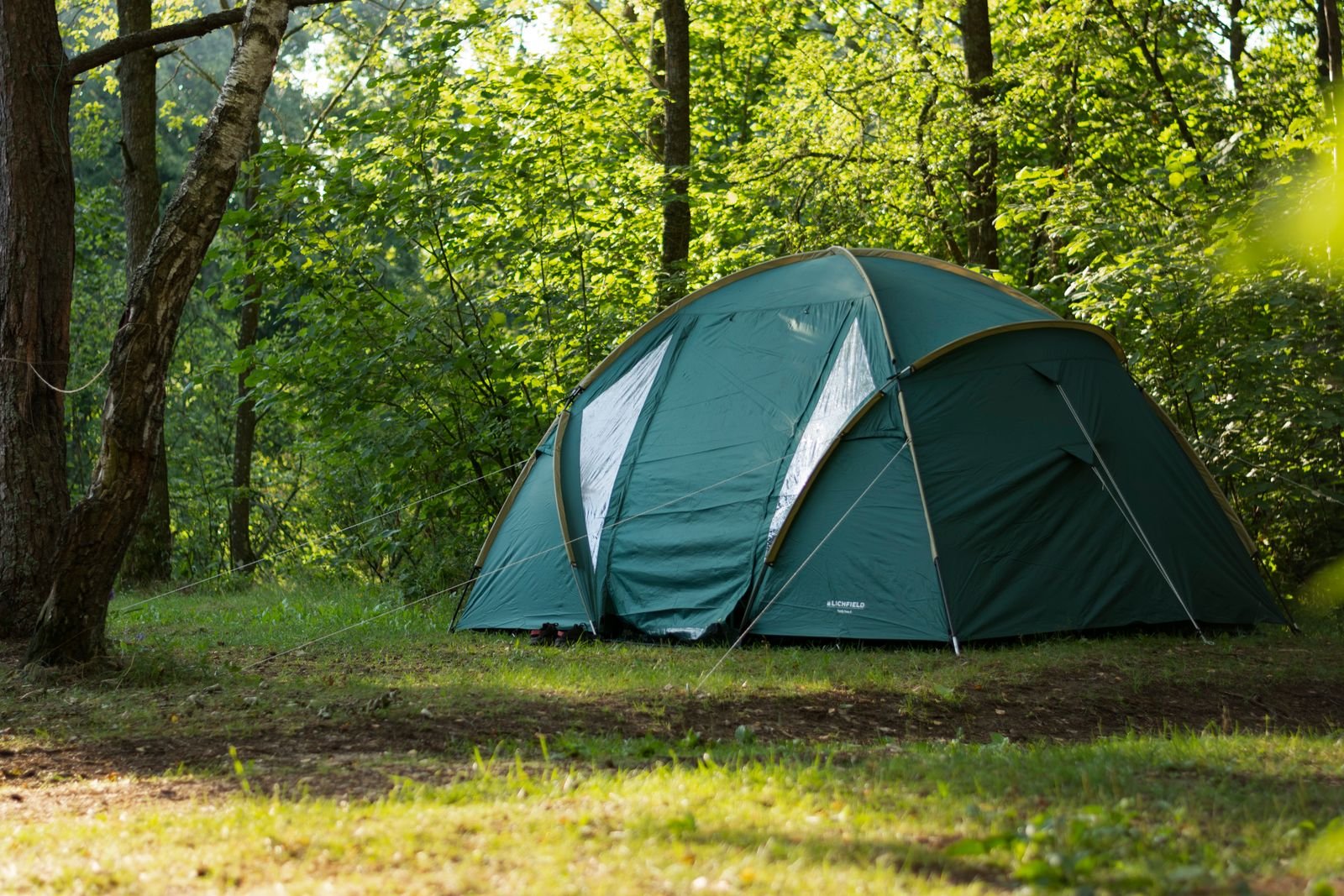
    • Tent, camper, or trailer (check that the tent poles and stakes are all there)
    • Ground tarp
    • Extra stakes and a hammer or mallet
    • Rope or paracord
    • A big tarp for shade or rain over your cooking area

    Sleeping

    Good sleep is a big part of a good hunt. Don’t skimp here.

    • Sleeping bag rated for colder than you expect
    • Sleeping pad (this keeps the cold ground from pulling heat out of you)
    • Pillow
    • Warm clothes to sleep in, like a wool hat and dry socks
    • Earplugs, if your hunting buddy snores
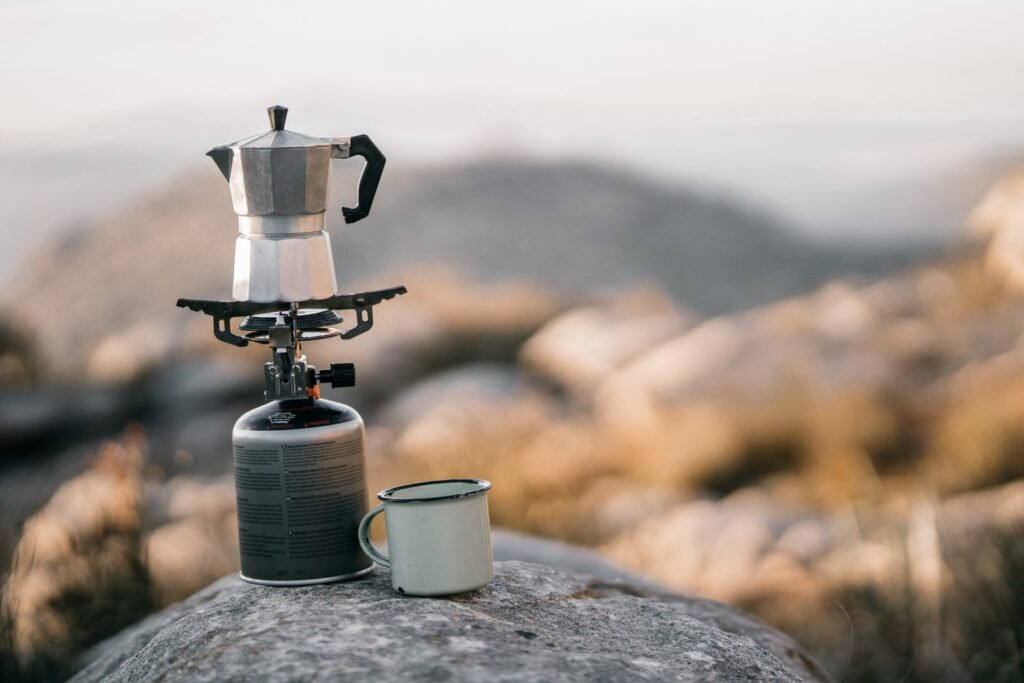
    Camp stove and coffee pot on a rock at sunrise
    Photo from Pexels

    Kitchen

    Keep meals simple. You’ll be tired, and it’s often dark when you cook.

    • Camp stove and fuel
    • Lighter and waterproof matches
    • Pots, pan, and a kettle or pot for hot water
    • Plates, bowls, cups, and utensils
    • Cooking spoon, spatula, and a sharp kitchen knife
    • Cutting board
    • Coolers and ice
    • Food for every meal, plus a little extra
    • Coffee or hot drinks for cold mornings
    • Dish soap, a wash tub, and a sponge
    • Paper towels
    • Trash bags (pack out everything you bring in)

    Water

    Bring more water than you think you’ll need. Many hunting areas in Arizona have no water you can count on.

    • Large water jugs for camp
    • Water bottles or a hydration pack for the day
    • A water filter or treatment, as a backup

    Light and power

    • Headlamp for each person
    • A lantern for camp
    • Spare batteries
    • A battery pack or truck charger for phones and GPS

    Camp comfort

    • Camp chairs
    • A folding table
    • Small shovel
    • Toilet paper and a plan for going to the bathroom (dig a hole well away from water and camp, or bring a portable toilet)
    • Hand wipes and hand sanitizer
    • A small towel

    Safety and first aid

    • First-aid kit
    • Fire extinguisher or a bucket of water and a shovel, if fires are allowed
    • A paper map of the area
    • A way to call for help. Phones often have no signal in the backcountry. A satellite messenger is worth looking into.
    • Tell someone at home where your camp is and when you’ll be back

    Meat care

    This part gets forgotten until there’s an animal on the ground.

    • Game bags
    • Extra coolers and ice, or a plan to get meat to a processor fast
    • A shady spot or a way to hang meat off the ground
    • Rope and a small saw
    • Your field dressing kit (see our field dressing guide)

    Vehicle

    • Spare tire, jack, and lug wrench
    • Tire repair kit and a small air pump
    • Tow strap
    • Extra fuel, if you’ll be far from a gas station
    • Shovel and a few boards for getting unstuck

    A few camp tips

    • Set up camp in daylight. It’s much harder in the dark.
    • Keep food and trash put away. It keeps critters out of camp, and in bear country it keeps you safe. Follow any food storage rules for the area.
    • Keep your hunting gear in one spot. At 4 a.m. you’ll be glad you know where everything is.
    • Leave camp cleaner than you found it. Pick up all trash, put out fires completely, and pack it out.

    Make the list your own

    After every trip, write down what you wished you’d had and what you never used. In a season or two you’ll have a camp list that fits you.

    Next step: Pair this with our first deer hunt gear checklist so your hunting gear is covered too.
  • Is a Hunting Guide Worth the Money?

    Is a Hunting Guide Worth the Money?

    You’ve got a tag. Maybe it’s a hunt you waited years to draw. Now you’re wondering if you should hire a guide or go on your own.

    There’s no single right answer. A guide can turn a tough hunt into the hunt of a lifetime. They can also be money you didn’t need to spend. Here’s how to decide.

    What a guide actually does

    A good guide does a lot of work before you ever show up. Most will:

    • Scout the area before the season so they know where animals are
    • Know the land, the roads, and where the water is
    • Help you find animals and judge them
    • Help you get set up for a good, ethical shot
    • Help with field dressing and packing out meat

    Some guided hunts also include camp, meals, and lodging. Others are just the guiding. Ask what’s included before you book.

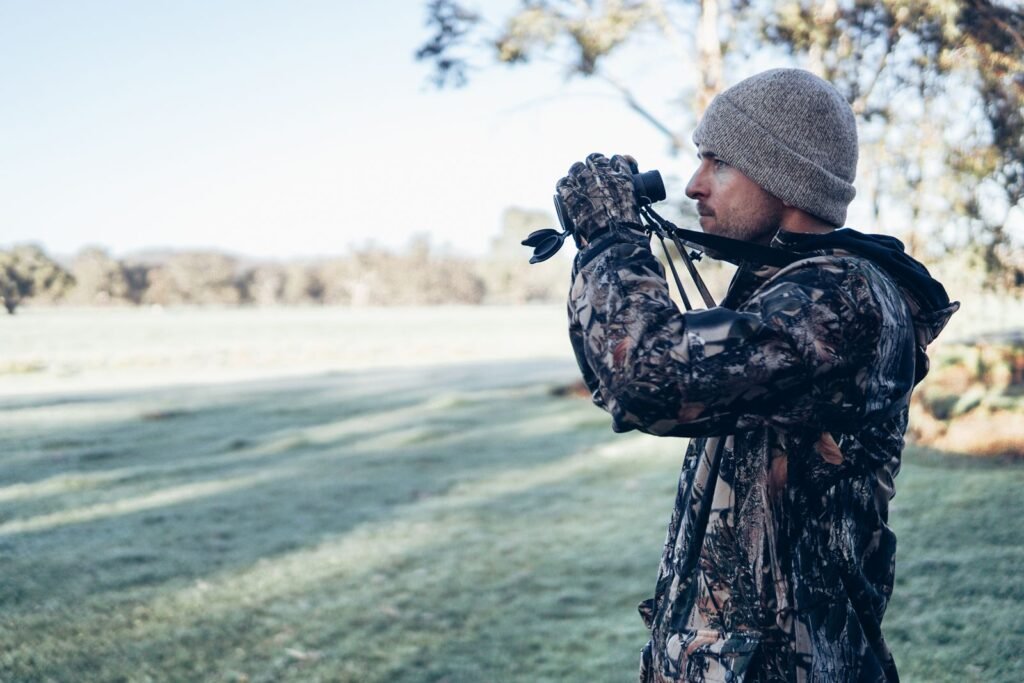
    Hunter in camo looking through binoculars
    Photo from Pexels

    When a guide is worth it

    It’s a once-in-a-lifetime tag. If you waited years to draw a hunt, a guide can help you make the most of it. You only get one shot at that season.

    You’re hunting new country. If you’re coming from out of state, or hunting a unit you’ve never seen, a guide who knows the area saves you days of figuring it out.

    You don’t have time to scout. Scouting takes a lot of days in the field. If you work long hours, a guide’s scouting can be worth the price on its own.

    You’re new and want to learn. A good guide teaches as you go. You’ll learn how to glass, read sign, and judge animals faster than you would alone.

    You need help packing out. Getting an elk out of rough country is hard work. Some guides help with that, and some bring horses or mules.

    When you might not need one

    You know the area. If you’ve hunted a place for years, you may not need someone to show you around.

    You enjoy the do-it-yourself challenge. For a lot of hunters, figuring it out is the fun part. A self-guided hunt you planned yourself can mean more than a guided one.

    It’s an easy-to-draw or over-the-counter hunt. If you can hunt it again next year, you have time to learn on your own.

    The budget isn’t there. Don’t go into debt for a hunt. Spending that money on gear, gas, and a few scouting trips is a fine plan too.

    What guided hunts cost

    Prices vary a lot. They depend on the animal, the state, how long the hunt is, and what’s included. A short deer hunt and a full-service elk hunt are very different prices.

    Ask each guide for the full price in writing, and what it covers. Also ask about costs that aren’t in the price, like:

    • Your license and tag
    • Travel to get there
    • Meat processing and shipping
    • A taxidermist, if you want a mount
    • A tip for your guide

    How to pick a good guide

    Not every guide is a good one. Take your time and ask questions.

    • Check that they’re licensed. Many states require guides or outfitters to be licensed. Ask, and check with the state wildlife agency.
    • Ask for references. Call past clients, including some who didn’t fill their tag. Ask how the guide treated them.
    • Ask about success rates, and how they count them. A guide who’s honest about a tough hunt is worth more than one who promises the world.
    • Ask how many hunters each guide takes out. One guide for one hunter is different from one guide for three.
    • Ask what’s expected of you. How fit do you need to be? How far will you walk each day?
    • Get everything in writing. Dates, price, what’s included, the deposit, and what happens if the hunt is canceled.

    Be careful of anyone who guarantees you’ll get an animal on a fair-chase hunt. Wild animals don’t make promises.

    Do your part too

    A guide can’t make the shot for you. Before your hunt:

    • Practice shooting from field positions at the distances you’ll face
    • Get in shape for the walking and climbing
    • Break in your boots
    • Bring the gear your guide asks you to bring

    You’ll have a better hunt, and your guide will thank you.

    The bottom line

    A guide is worth it when the hunt really matters, the country is new to you, or your time is short. If you have time, know the land, and love figuring things out, going on your own can be just as rewarding.

    Either way, ask good questions and know what you’re paying for.

    Run a hunting guide service? We’d like to share your hunts with our readers. See our page for hunting guides.

    Next step: Read how the Arizona big game draw works if you’re still waiting on a tag.

  • What Gear Do You Need for Your First Deer Hunt? (Checklist)

    What Gear Do You Need for Your First Deer Hunt? (Checklist)

    Walk into any outdoor store and you’ll see a whole wall of hunting gear. Calls, scents, gadgets, five kinds of camo. It’s easy to spend a lot of money on things you’ll never use.

    Your first deer hunt only needs a short list of gear. Get the basics right, and add more as you learn what you like.

    The must-haves

    Your gun or bow. Use something you shoot well and that’s legal for deer where you hunt. Your state’s regulations list what’s allowed.

    The right ammo. Bring ammo made for hunting deer, and use the same kind you sighted in with. Different ammo can hit in a different spot.

    Your license and tag. Keep them on you the whole time you’re hunting. Some states let you carry them on your phone. Check yours.

    A knife. You’ll need it to field dress your deer. A fixed blade or a sharp folding knife both work. Bring a small sharpener too.

    Blaze orange, if your state requires it. Many states do for rifle seasons, and it’s a good idea anyway around other hunters.

    Clothing

    Dress in layers so you can add or peel off as the day warms up. Mornings can be cold and afternoons hot, especially in Arizona.

    • A base layer that pulls sweat away (wool or synthetic, not cotton)
    • A warm middle layer like fleece
    • An outer jacket that blocks wind and rain
    • A warm hat and gloves
    • Good boots that are already broken in

    Quiet fabric helps. Deer can hear a crinkly jacket from a long way off.

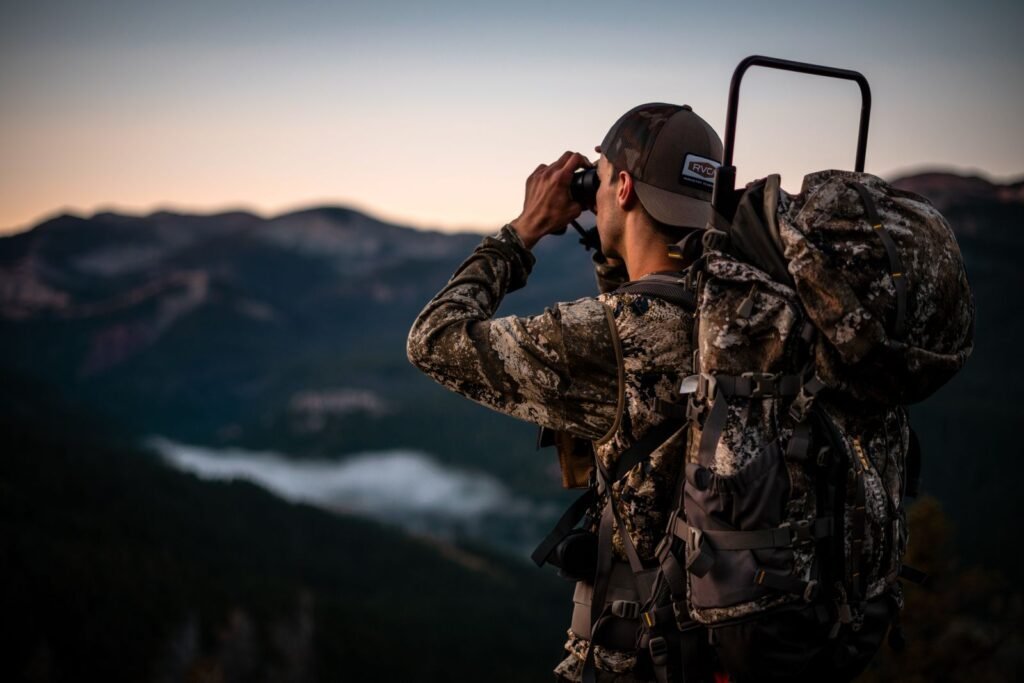
    Hunter with a pack frame glassing mountains with binoculars
    Photo from Pexels

    Seeing and finding deer

    Binoculars. These are worth buying early. You’ll spend much more time looking for deer than shooting at them. In open country like Arizona, good binoculars are a big deal. See our post on how to pick hunting binoculars.

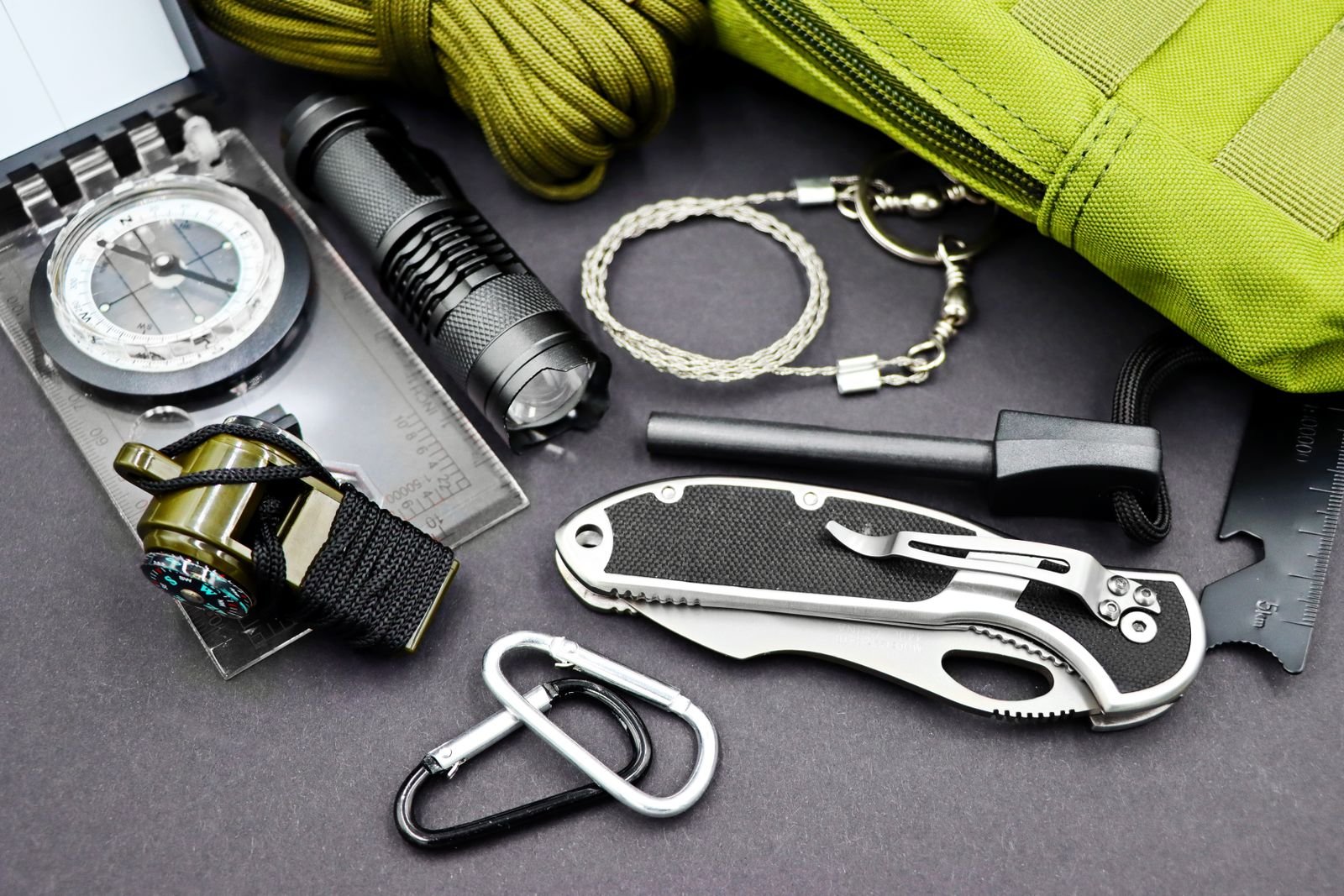
    A map and a way to find your way back. A phone with a hunting map app works, but bring a backup battery. A paper map and compass don’t need charging.

    Field dressing and getting your deer out

    This is the part most first-timers forget. Once your deer is down, you’ll need:

    • Your knife
    • Rubber or nitrile gloves
    • Some rope or paracord
    • Game bags to keep meat clean
    • A few zip-top bags for the heart and liver, if you want them
    • Paper towels or rags
    • A plan to keep the meat cool, like a cooler with ice back at the truck

    In warm weather, get the meat cooled down as fast as you can.

    Safety gear

    Things go wrong in the woods sometimes. Bring:

    • A small first-aid kit
    • A headlamp and spare batteries (you’ll walk in and out in the dark)
    • A fire starter or lighter
    • A whistle
    • Plenty of water, more than you think
    • Snacks

    Tell someone where you’re going and when you’ll be back.

    Nice to have, not a must

    These help, but you can hunt without them your first year:

    • A rangefinder to tell you how far the deer is
    • Shooting sticks or a tripod for a steady rest
    • A seat cushion or small stool for long sits
    • Deer calls
    • Scent-control spray
    • Trail cameras (check if they’re allowed in your area)

    Gear to skip for now

    You don’t need the newest camo pattern, a pile of gadgets, or the most expensive rifle on the rack. Deer don’t care what brand you wear. Spend your money on boots, binoculars, and practice ammo first.

    One last tip

    Set out all your gear the night before and check it against this list. Then pack it the same way every time. You’ll forget less, and you’ll know where everything is in the dark.

    Next step: Brand new to hunting? Read how to start hunting as a total beginner.

  • How to Start Hunting as a Total Beginner (Step by Step)

    How to Start Hunting as a Total Beginner (Step by Step)

    Maybe you grew up around hunters but never went yourself. Maybe you want to put your own meat in the freezer. Or maybe a buddy keeps asking you to come along, and you don’t want to look lost.

    Nobody is born knowing this stuff. Every hunter you’ve ever met had a first season. Here’s how to get to yours.

    Step 1: Pick one animal to start with

    Don’t try to learn everything at once. Pick one animal and learn it well.

    Good first choices:

    • Small game like rabbits, squirrels, or quail. Lots of chances, cheap gear, and you learn to move quietly and read the land.
    • Doves if you like to shoot. Fast action and a fun first hunt.
    • Deer or javelina if you want big game. More work, more planning, but very rewarding.

    In Arizona, small game and doves are easy to start with. Big game like deer and elk usually means entering a draw months ahead. We explain that in our post on how the Arizona draw works.

    Step 2: Take hunter education

    Even where it isn’t required, take it. You’ll learn gun safety, the rules, shot placement, and how to act in the field. It’s one of the best things a new hunter can do.

    Each state sets its own rules about who has to take it. In Arizona, kids ages 10 to 13 need hunter education to hunt big game. Check your state’s wildlife agency for the current rules where you live.

    Many states offer the course online with a hands-on field day. Some offer in-person classes too.

    Step 3: Get your license

    You’ll need a hunting license before you go. Most states sell them online now. In Arizona, anyone 10 or older needs one, and you buy it through the Arizona Game and Fish website.

    Some animals also need a tag or permit on top of the license. Read the rules for the animal you picked so you know exactly what to buy.

    Step 4: Read the regulations (yes, really)

    Every state puts out a hunting regulations booklet each year. It tells you:

    • Season dates
    • Legal hours to hunt
    • How many animals you can take
    • What weapons are allowed
    • Where you can and can’t hunt

    It’s not fun reading. But “I didn’t know” won’t help you with a game warden. Keep a copy in your truck or on your phone.

    Step 5: Find a place to hunt

    This is where a lot of beginners get stuck. Here are your main choices:

    • Public land. National forests and BLM land are open to hunting in most places. Arizona has a lot of it.
    • Private land. You need the owner’s permission first, every time.
    • State programs. Some states have walk-in or access programs on private land. Check your wildlife agency’s website.

    A hunting map app can show you where public land starts and stops. That keeps you from crossing onto private land by mistake.

    Step 6: Get the gear that matters (and skip the rest)

    You don’t need to spend a fortune your first year. Start with the basics:

    • A safe, reliable gun or bow you can shoot well
    • Clothes for the weather, in layers
    • Good boots that are already broken in
    • A knife
    • Water, snacks, and a small first-aid kit
    • A map, phone, and a way to charge it

    See our full list in what gear you need for your first deer hunt.

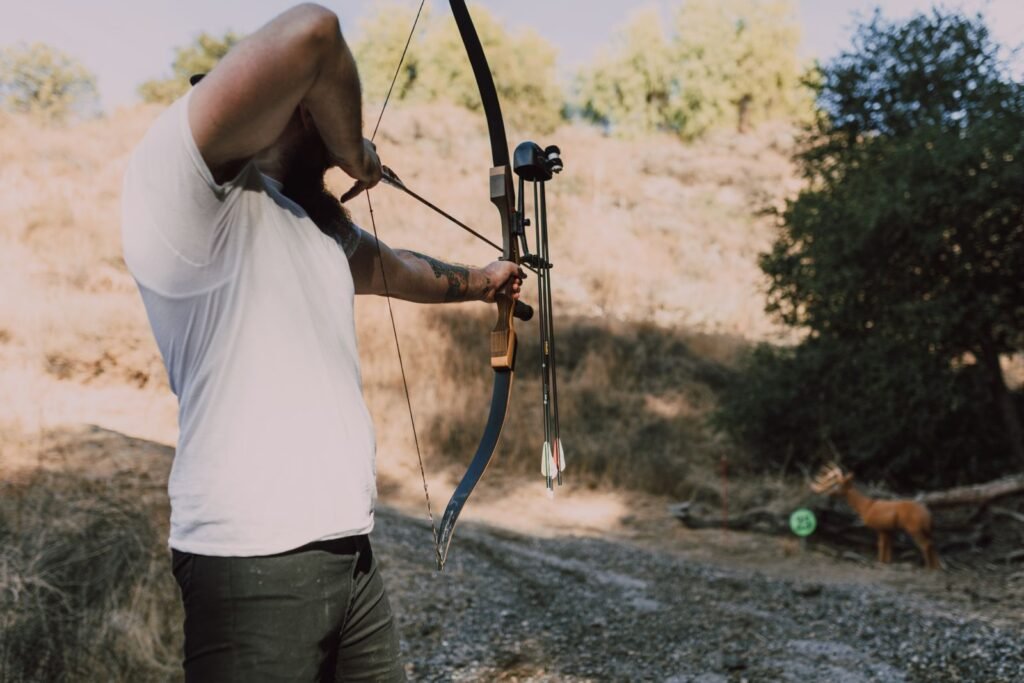
    Man practicing with a bow at a 3D deer target
    Photo from Pexels

    Step 7: Practice before the season

    Shoot a lot before you hunt. Practice from the same positions you’ll use in the field: sitting, kneeling, and using a rest. Know how far you can shoot well, and don’t take a shot past that.

    Go walk your hunting area before the season too. Look for tracks, droppings, trails, and water. You’ll be calmer on opening day if the place isn’t brand new to you.

    Step 8: Find someone to learn from

    Hunting with someone who knows what they’re doing is the fastest way to learn. Ask friends, family, or coworkers. Look for learn-to-hunt classes and mentored hunts. Arizona Game and Fish runs hands-on events through its Outdoor Skills Network.

    If you’d rather have a pro show you the ropes, a guided hunt is another way to go. We break that down in is a hunting guide worth the money?

    Step 9: Know what happens after the shot

    New hunters often forget this part. Once an animal is down, you have work to do. You’ll need to tag it the way your state says, field dress it, and get the meat cool fast. That matters even more in Arizona heat.

    Watch a few videos and, if you can, help someone else clean an animal before your own hunt.

    Don’t worry about getting it perfect

    You’ll make mistakes. You’ll spook animals and come home empty some days. That’s part of it. Every trip teaches you something.

    Start small, stay safe, follow the rules, and keep going.

    Next step: Read our post on what gear you need for your first deer hunt.