You can have the perfect tag and the perfect rifle. If you shiver all night and eat cold beans for a week, your hunt will still feel long.
A good hunting camp keeps you rested and fed so you can get up early and hunt hard. It doesn’t have to be fancy. It just has to work. Use this list when you pack, and check things off as they go in the truck.
Before you pack
Know where you’re camping. Many hunters camp on national forest or BLM land near their unit. Check the rules for that area, including how long you can stay in one spot.
Check for fire restrictions. In Arizona and much of the West, campfires can be limited or banned when it’s dry. Call or check the website for the forest or BLM office before you go.
Check the weather. Fall nights in the high country can drop below freezing, even after a warm day. Pack for the coldest night you might see, not the average.
Shelter
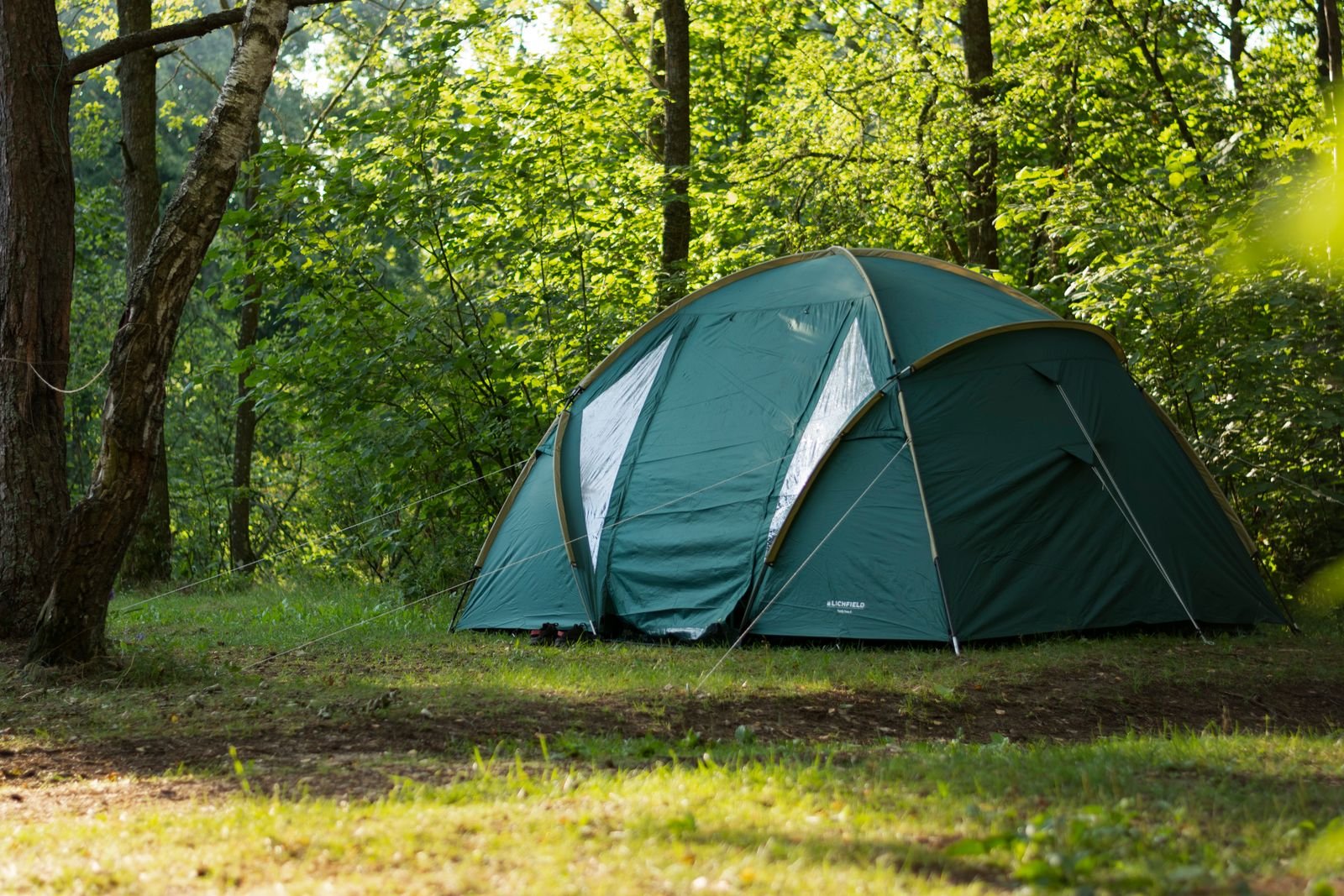
- Tent, camper, or trailer (check that the tent poles and stakes are all there)
- Ground tarp
- Extra stakes and a hammer or mallet
- Rope or paracord
- A big tarp for shade or rain over your cooking area
Sleeping
Good sleep is a big part of a good hunt. Don’t skimp here.
- Sleeping bag rated for colder than you expect
- Sleeping pad (this keeps the cold ground from pulling heat out of you)
- Pillow
- Warm clothes to sleep in, like a wool hat and dry socks
- Earplugs, if your hunting buddy snores
Kitchen
Keep meals simple. You’ll be tired, and it’s often dark when you cook.
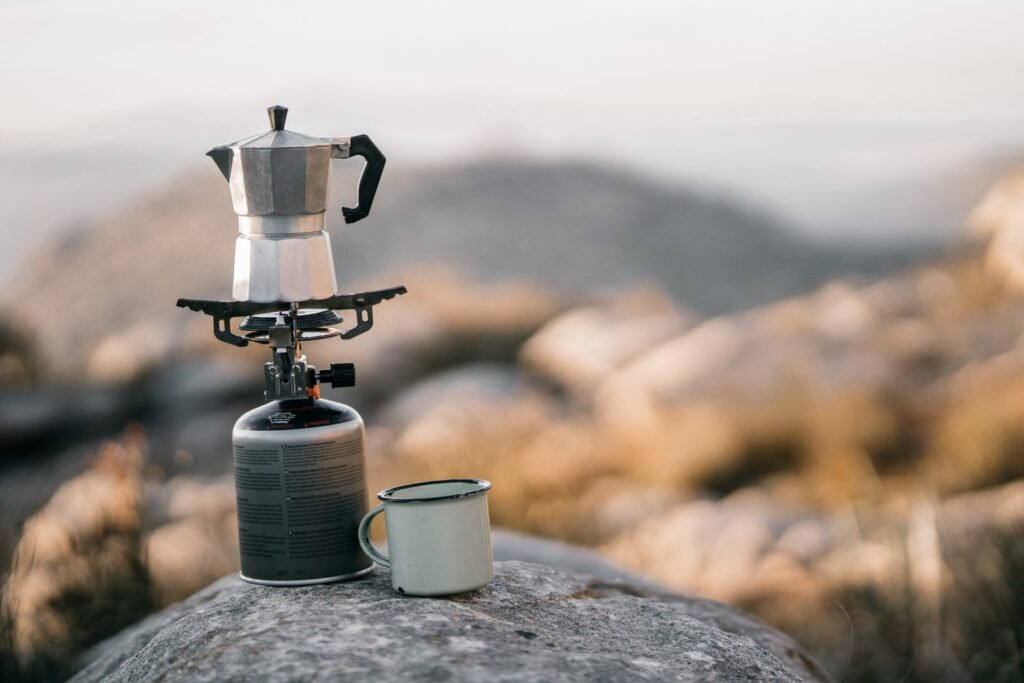
- Camp stove and fuel
- Lighter and waterproof matches
- Pots, pan, and a kettle or pot for hot water
- Plates, bowls, cups, and utensils
- Cooking spoon, spatula, and a sharp kitchen knife
- Cutting board
- Coolers and ice
- Food for every meal, plus a little extra
- Coffee or hot drinks for cold mornings
- Dish soap, a wash tub, and a sponge
- Paper towels
- Trash bags (pack out everything you bring in)
Water
Bring more water than you think you’ll need. Many hunting areas in Arizona have no water you can count on.
- Large water jugs for camp
- Water bottles or a hydration pack for the day
- A water filter or treatment, as a backup
Light and power
- Headlamp for each person
- A lantern for camp
- Spare batteries
- A battery pack or truck charger for phones and GPS
Camp comfort
- Camp chairs
- A folding table
- Small shovel
- Toilet paper and a plan for going to the bathroom (dig a hole well away from water and camp, or bring a portable toilet)
- Hand wipes and hand sanitizer
- A small towel
Safety and first aid
- First-aid kit
- Fire extinguisher or a bucket of water and a shovel, if fires are allowed
- A paper map of the area
- A way to call for help. Phones often have no signal in the backcountry. A satellite messenger is worth looking into.
- Tell someone at home where your camp is and when you’ll be back
Meat care
This part gets forgotten until there’s an animal on the ground.
- Game bags
- Extra coolers and ice, or a plan to get meat to a processor fast
- A shady spot or a way to hang meat off the ground
- Rope and a small saw
- Your field dressing kit (see our field dressing guide)
Vehicle
- Spare tire, jack, and lug wrench
- Tire repair kit and a small air pump
- Tow strap
- Extra fuel, if you’ll be far from a gas station
- Shovel and a few boards for getting unstuck
A few camp tips
- Set up camp in daylight. It’s much harder in the dark.
- Keep food and trash put away. It keeps critters out of camp, and in bear country it keeps you safe. Follow any food storage rules for the area.
- Keep your hunting gear in one spot. At 4 a.m. you’ll be glad you know where everything is.
- Leave camp cleaner than you found it. Pick up all trash, put out fires completely, and pack it out.
Make the list your own
After every trip, write down what you wished you’d had and what you never used. In a season or two you’ll have a camp list that fits you.
Next step: Pair this with our first deer hunt gear checklist so your hunting gear is covered too.